 EN
 KA
 RU
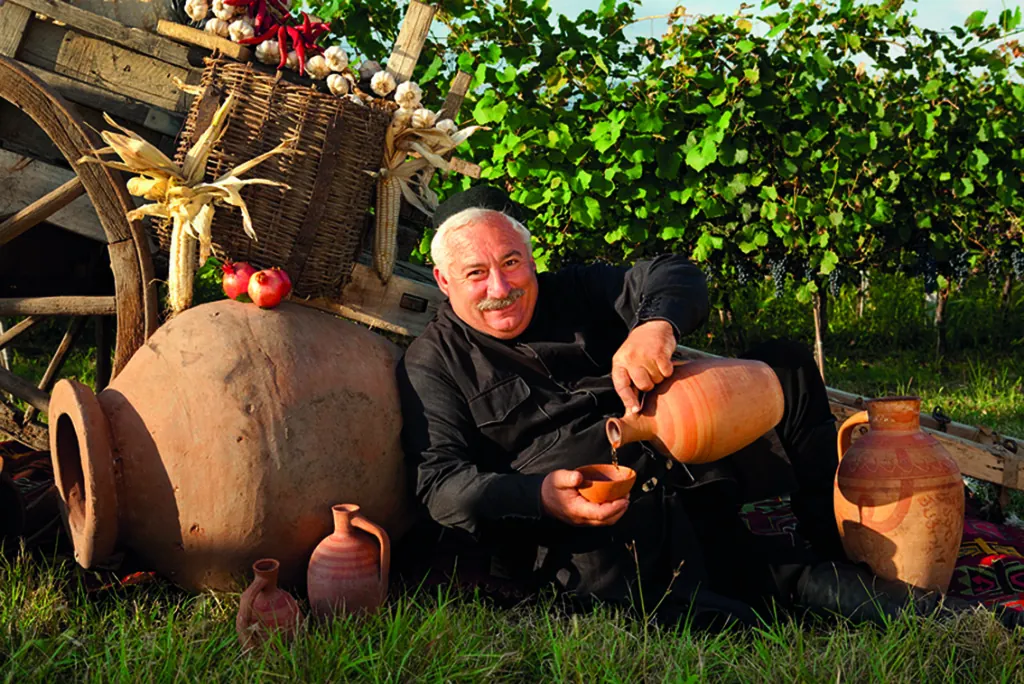
Georgia is one of the oldest wine regions in the world. In the fertile valleys and sheltered slopes of the South Caucasus, archaeologists have found grape seeds and clay vessels with traces of wine dating back some 8,000 years - evidence that makes Georgia the birthplace of winemaking.
The secret of the kvevri
The first winemakers noticed that grape juice buried in the ground through the winter turned into wine. Over the centuries this knowledge became the kvevri method: large egg-shaped clay vessels are buried up to their necks, filled with grape juice - often together with skins and stems - sealed, and left to ferment and mature at a cool, stable temperature. In 2013 UNESCO inscribed traditional Georgian kvevri winemaking on its list of the Intangible Cultural Heritage of Humanity.
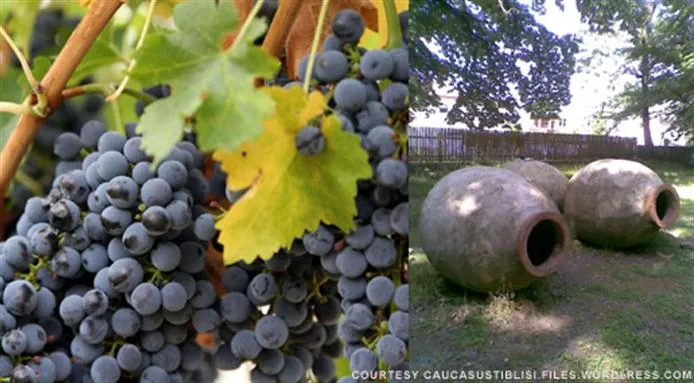
In Georgia, wine is not just a drink - it is part of the supra, the songs, the faith and the very identity of the nation.
The main wine regions
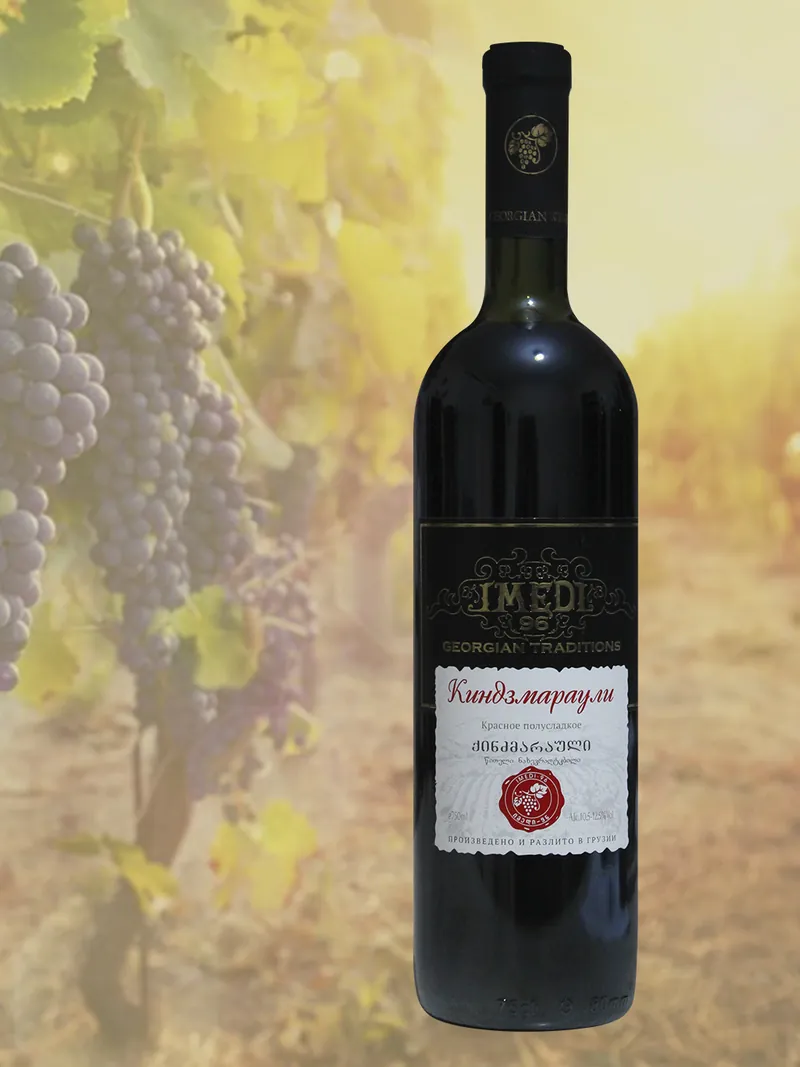
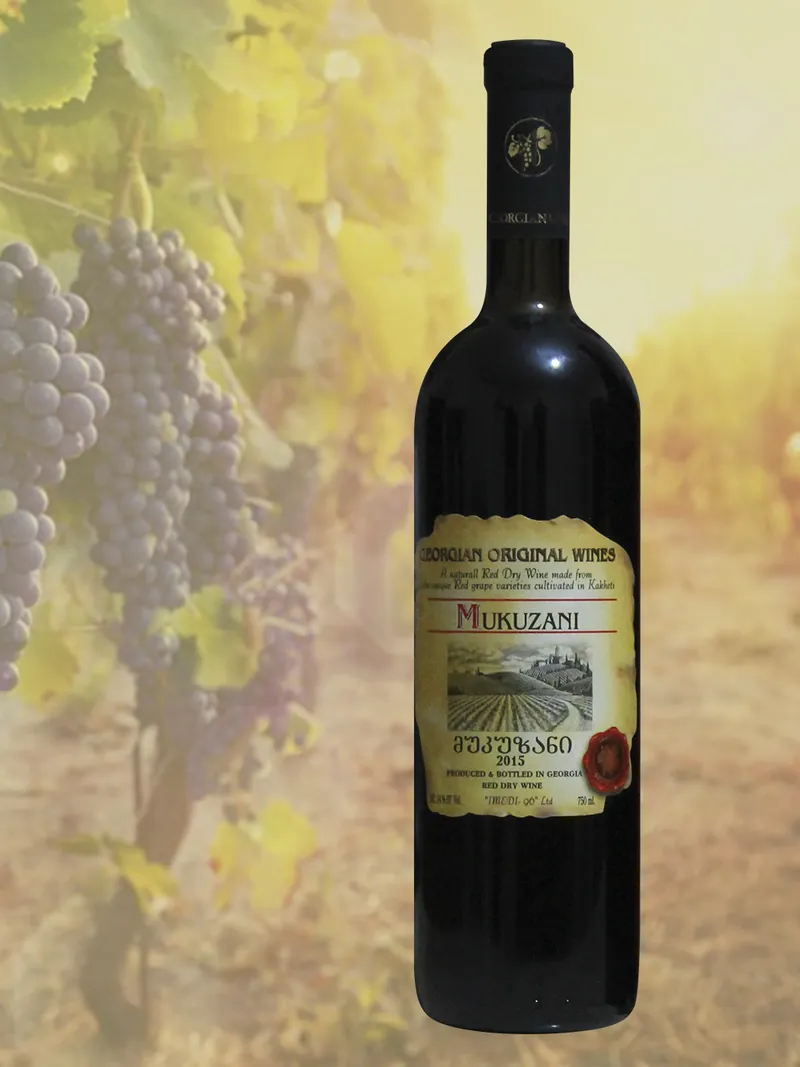
- Kakheti - the heartland of Georgian winemaking in the east, producing around 70% of the country’s grapes and home to Tsinandali, Mukuzani, Kindzmarauli and Akhasheni.
- Kartli - the central region around Gori, our home, known for the Chinuri and Tavkveri grapes.
- Imereti - western Georgia, famous for fresh, lighter wines.
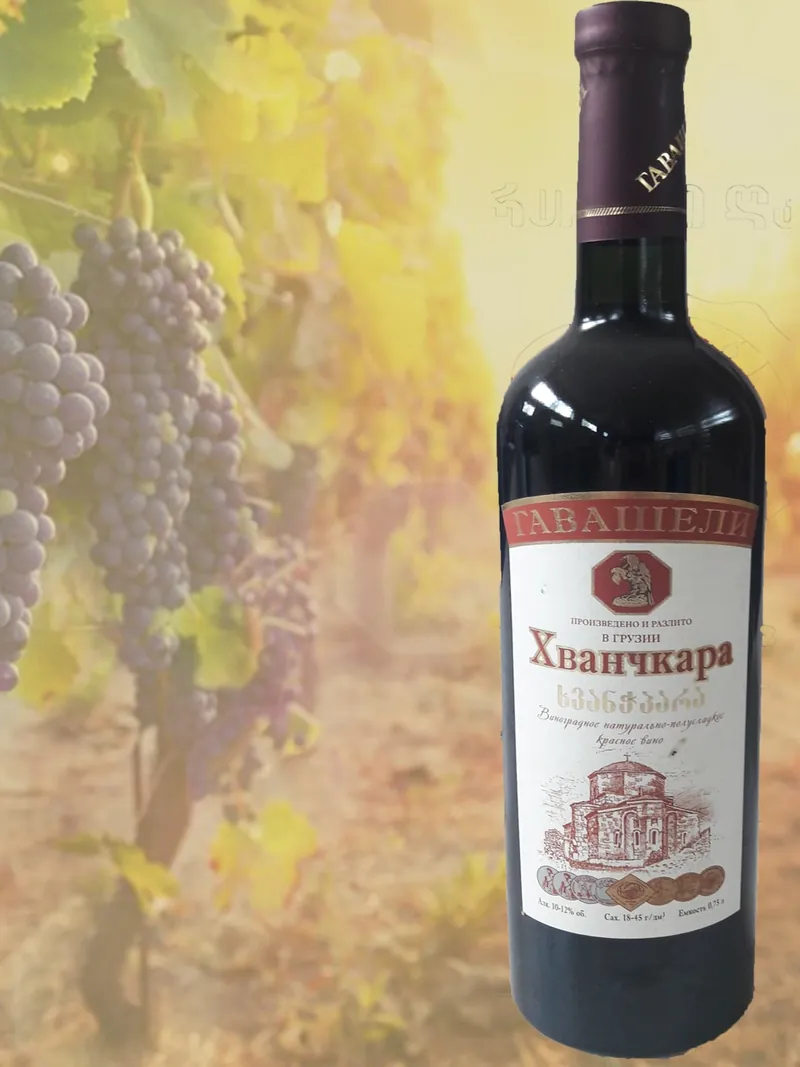
- Racha-Lechkhumi - high mountain vineyards that give the legendary Khvanchkara.
A climate made for the vine
Georgia’s moderate climate, the moist air of the Black Sea, mineral-rich mountain streams and long sunny summers create ideal conditions for viticulture. More than 500 indigenous grape varieties are found here - a living treasure that few countries can match.
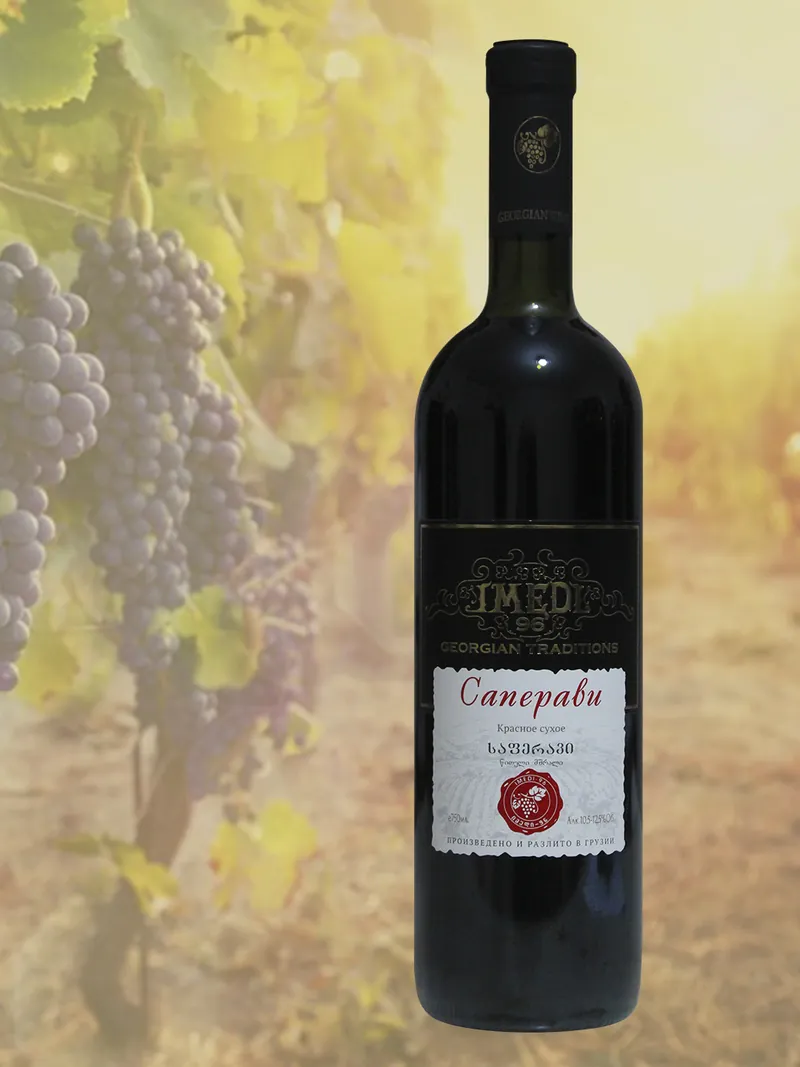
Traditionally, Georgian wines carry the name of their region, district or village, much like Bordeaux or Burgundy in France. At Imedi Wine we continue this tradition, producing classic appellation wines that let each place speak for itself.