 EN
 KA
 RU
Strong spirits have been distilled in Georgia since the early 19th century, but the first serious production of Georgian brandy began in 1865, when the entrepreneur Giorgi Bolkvadze laid its foundations. The man who brought it to perfection, however, was Davit Sarajishvili.
Davit Sarajishvili, the romantic entrepreneur
Educated in Europe, Sarajishvili began distilling brandy spirits at the end of the 1870s from wine made on his family estate near Tbilisi. He invited a specialist from the Cognac region of France, bought French oak barrels and, in 1884, opened his first factory in Tbilisi. Between 1889 and 1913 his brandies won many gold medals at international exhibitions, and in 1913 his company was granted the title of Purveyor to the Imperial Court.
Sarajishvili was also the first to define Georgia’s best micro-zones for brandy: Rkatsiteli grapes from Eniseli and Gremi in Kakheti, and Tsolikouri from Vartsikhe in Imereti. He began to age his spirits in Georgian as well as French oak - a choice that still shapes the character of Georgian brandy today.
A glass that surprised Churchill
A famous legend tells that at the Yalta Conference in 1945 Winston Churchill tasted the Georgian brandy Eniseli and declared it finer than the French cognac he knew - and was even more surprised to learn that no foreign specialists had worked on it.
How Georgian brandy is made
Fully ripe grapes are gently pressed and the juice ferments for about a month. The resulting young wine of 7-9% is distilled twice, giving a spirit of 60-75%, which is then aged in oak barrels for at least two years. The age of the spirit determines the category on the label. Finally, the master blender combines spirits of different ages to create the finished brandy.
How to enjoy it
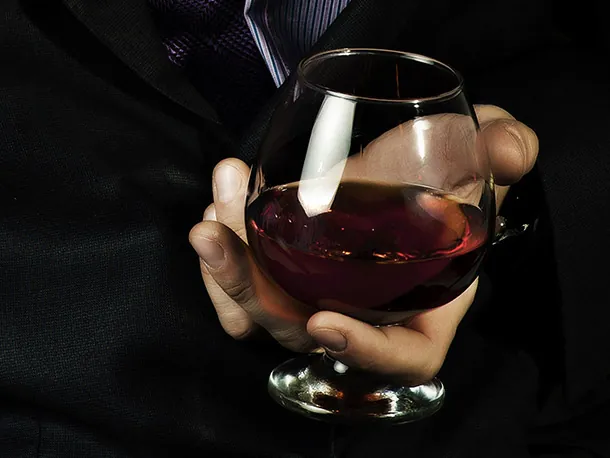
Serve Georgian brandy at room temperature in a tulip or snifter glass, warm it slightly in your hand and savour it slowly - in moderation and in good company. For a century the drink was called “Georgian cognac”; since the 1990s the correct name is “Georgian brandy”.
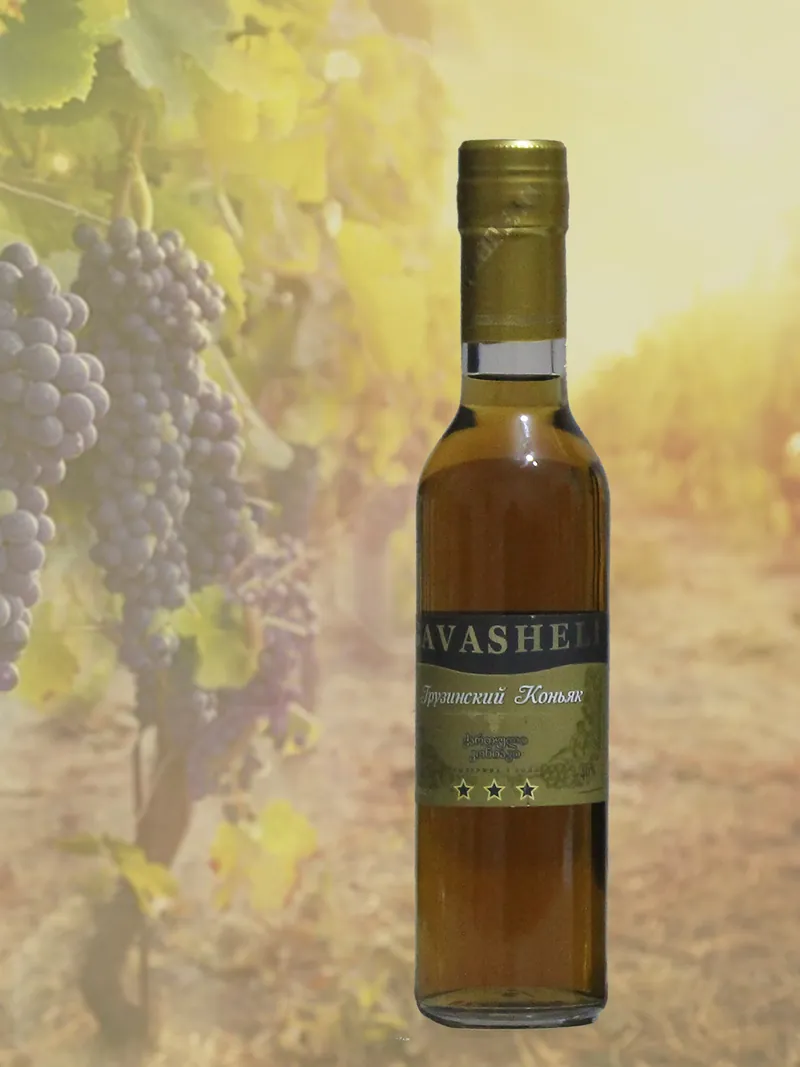
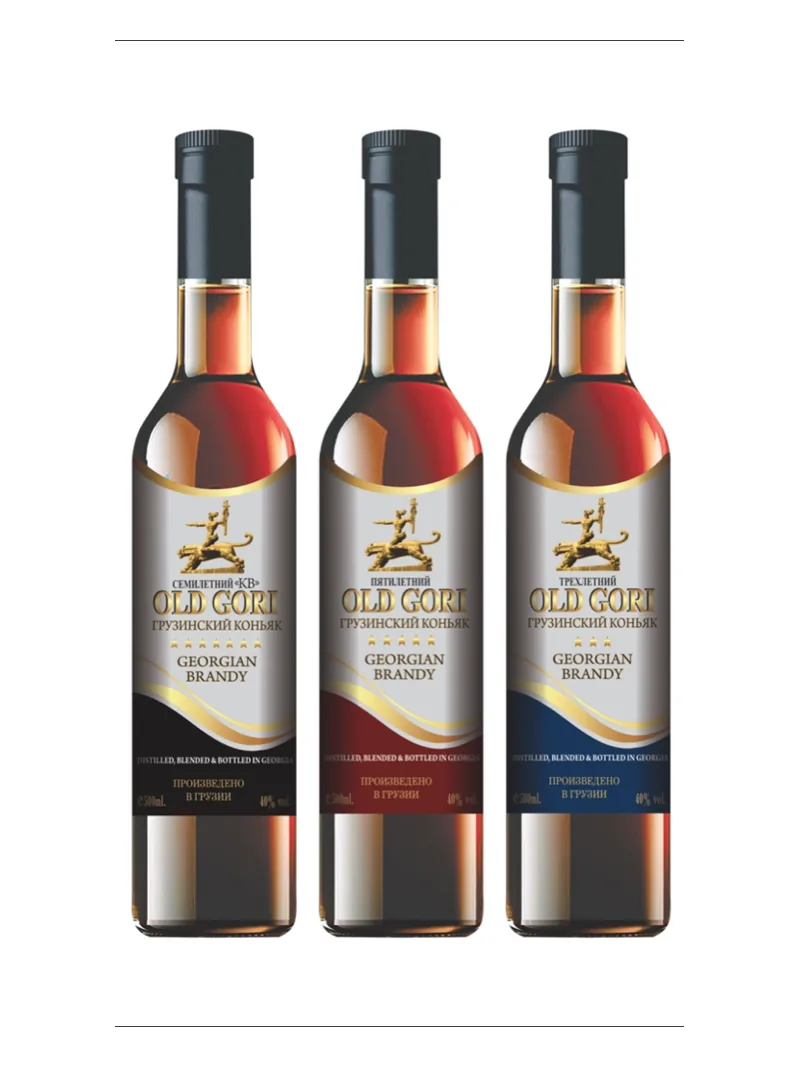
In Gori, our Gavasheli (aged 3, 5 and 7 years) and Old Gori (aged 3 and 5 years) continue this proud tradition.